
Case study · Recruitment and staffing
EBAS - GPT.
A custom multi-agent AI chatbot platform for a recruitment and staffing firm specializing in SaaS sales roles.
- What we built
- Internal multi-agent AI chatbot platform
- Stack
- Next.js, Responsive custom UI, Real-time message streaming, OpenAI API (GPT-4, configurable)
- Services
- AI chatbotMulti-agent AIKnowledge baseGoogle Docs and Sheets integration
About the project
What is EBAS - GPT?
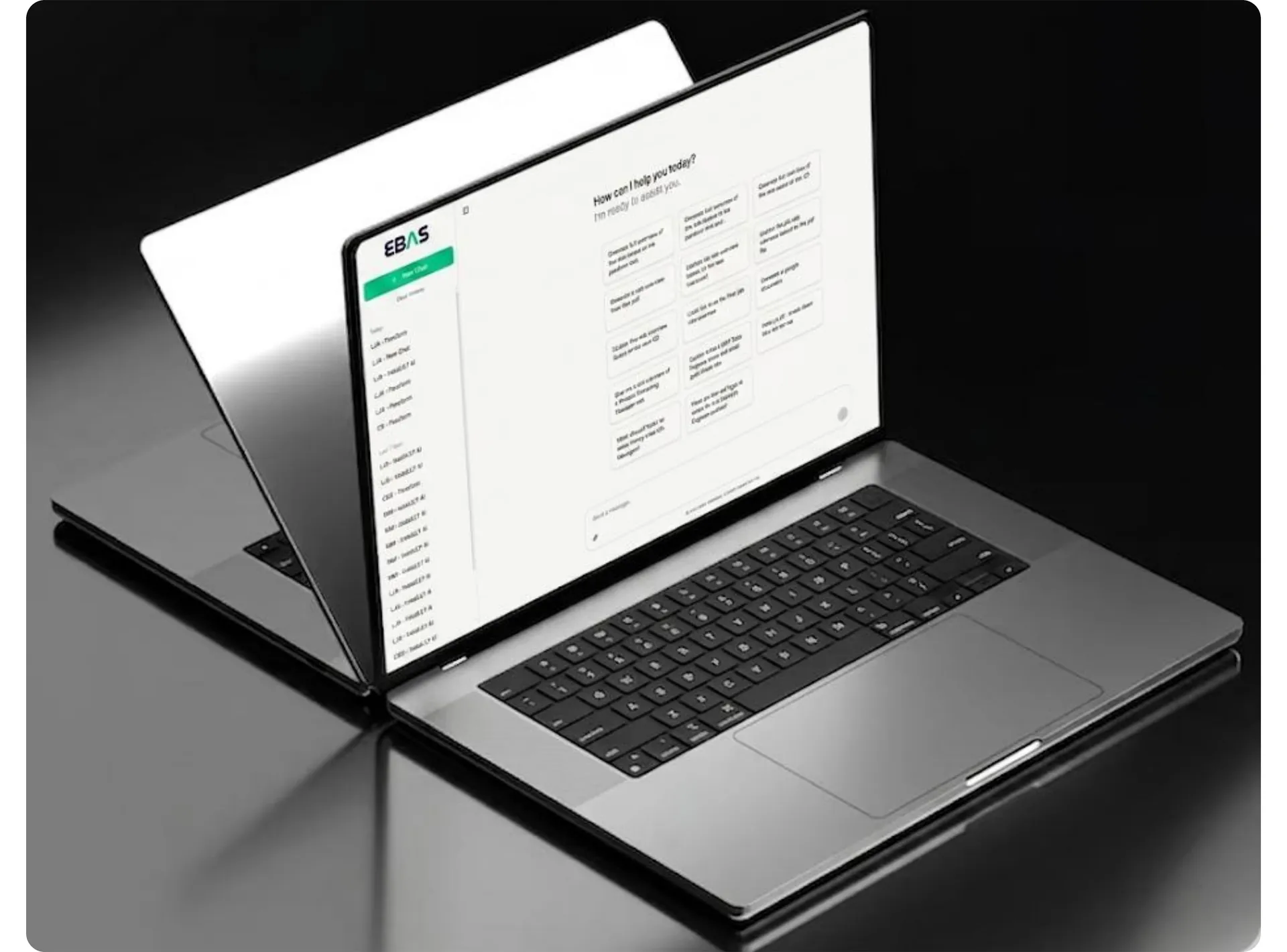
This project involved building a custom multi-agent AI chatbot platform for a recruitment and staffing firm specializing in SaaS sales roles. The client operates in a high-volume recruitment environment, managing multiple positions simultaneously across both marketplace recruiting and direct client engagements. The goal was to replace a fragmented, manual ChatGPT workflow with a centralized, reliable AI system capable of producing consistent, professional recruiting deliverables at scale. The platform was designed as an internal SaaS-style tool, with future potential for commercialization within the recruitment industry.
The solution
The solution combined a modern web application, a vector-based knowledge system, and a coordinated multi-agent AI architecture to automate document creation, reduce turnaround time, and enforce strict quality and formatting standards across the recruitment lifecycle.
Conclusion
This project demonstrates how custom AI platforms outperform generic AI tools when designed around real operational workflows. By combining a multi-agent architecture, structured knowledge management, and document export, the platform transformed a slow, manual recruitment process into a fast, scalable, and professional operation.
The problem
What was slowing them down.
- 01
Time-intensive document creation
Each role required 8–10 recruiting documents, often taking 1–2 full days to complete.
- 02
Inefficient use of generic AI tools
Recruiters relied on repeated prompt iteration, copy-paste workflows, and manual cleanup.
- 03
Inconsistent output quality
Results varied significantly based on individual recruiter skill, affecting tone, structure, and professionalism.
- 04
Scattered knowledge and templates
Best practices, examples, and exclusions were not centralized, leading to duplication and inconsistency.
- 05
Client delivery pressure
Maintaining a 24–48 hour turnaround with polished, client-ready documents became increasingly difficult.
The solution
What we built.
Multi-agent platform built for recruitment workflows
We designed and developed a custom multi-agent AI chatbot platform purpose-built for recruitment workflows. Instead of relying on a single generic AI prompt, the system uses a central coordinator agent that intelligently routes requests to eight specialized AI agents, each responsible for a specific recruiting output.
- Secure, role-based web application
- Vector-based knowledge base for templates, examples, exclusions, and client data
- Eight specialized AI agents with strict scope and formatting rules
- Geography-aware language handling (US vs AU English)
- One-click export to Google Docs and Google Sheets
- Optional automation for job data ingestion and transcript processing
Results
What changed.
Operational Results
Days to minutes
Document creation time reduced from days to minutes.
8+ outputs from one input
8+ recruiting outputs generated from a single job input.
Minimal manual editing
Minimal manual editing or formatting required.
Reliable turnaround
Reliable 24–48 hour client delivery turnaround.
Business Value
Improved client confidence
Improved client confidence through consistent, professional deliverables.
Less dependency on prompting skills
Reduced dependency on individual recruiter prompting skills.
Centralized institutional knowledge
Centralized institutional knowledge reused across the team.
Scalable internal platform
Scalable internal platform supporting team growth.
Foundation for productization
Foundation for future recruiter-focused SaaS productization.
Key challenges
The hard parts, and how we solved them.
Output consistency
Each agent was built with a dedicated system prompt, scoped knowledge sources, and enforced formatting rules.
Context size and performance
A vector database ensured only relevant knowledge was retrieved, improving speed and reducing token usage.
Geography-specific language
The system automatically applied US or AU English spelling and phrasing based on role location.
Manual copy-paste elimination
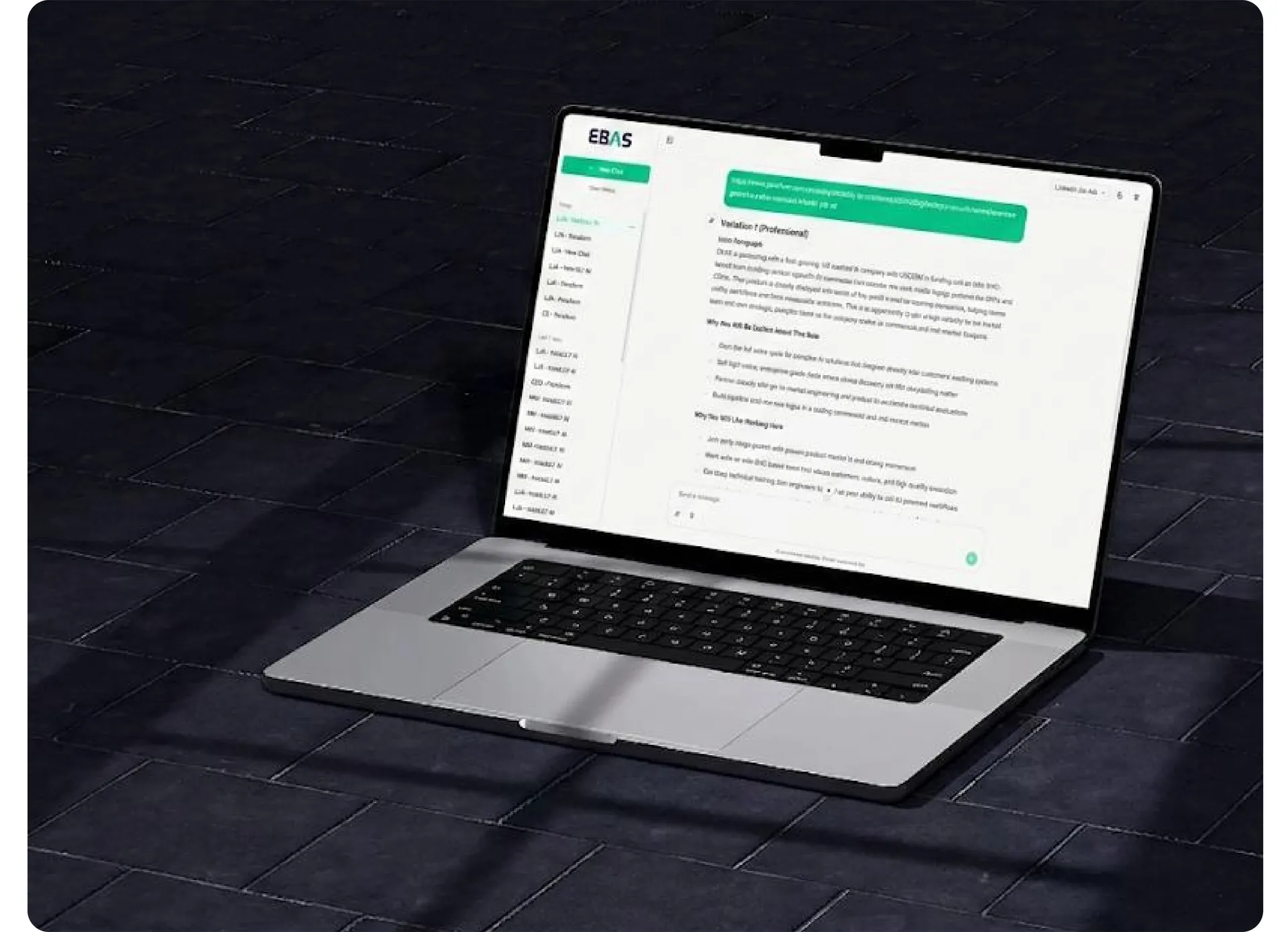
Google Docs and Sheets integrations enabled one-click export of formatted documents.
Complex recruitment logic
Breaking workflows into specialized agents ensured predictable, validated outputs instead of relying on a single monolithic prompt.
Tech stack
What it runs on.
- Frontend
- Next.jsResponsive custom UIReal-time message streaming
- Backend & AI
- OpenAI API (GPT-4, configurable)Multi-agent orchestrationCentral coordinator agent
- Data & Knowledge
- Vector database for semantic searchAgent-specific knowledge categorization
- Integrations
- Google Docs APIGoogle Sheets API
- Security & Infrastructure
- Secure cloud hostingSSL encryptionRole-based authenticationSecure API key management
Process
How we got there.
01Admin Workflow
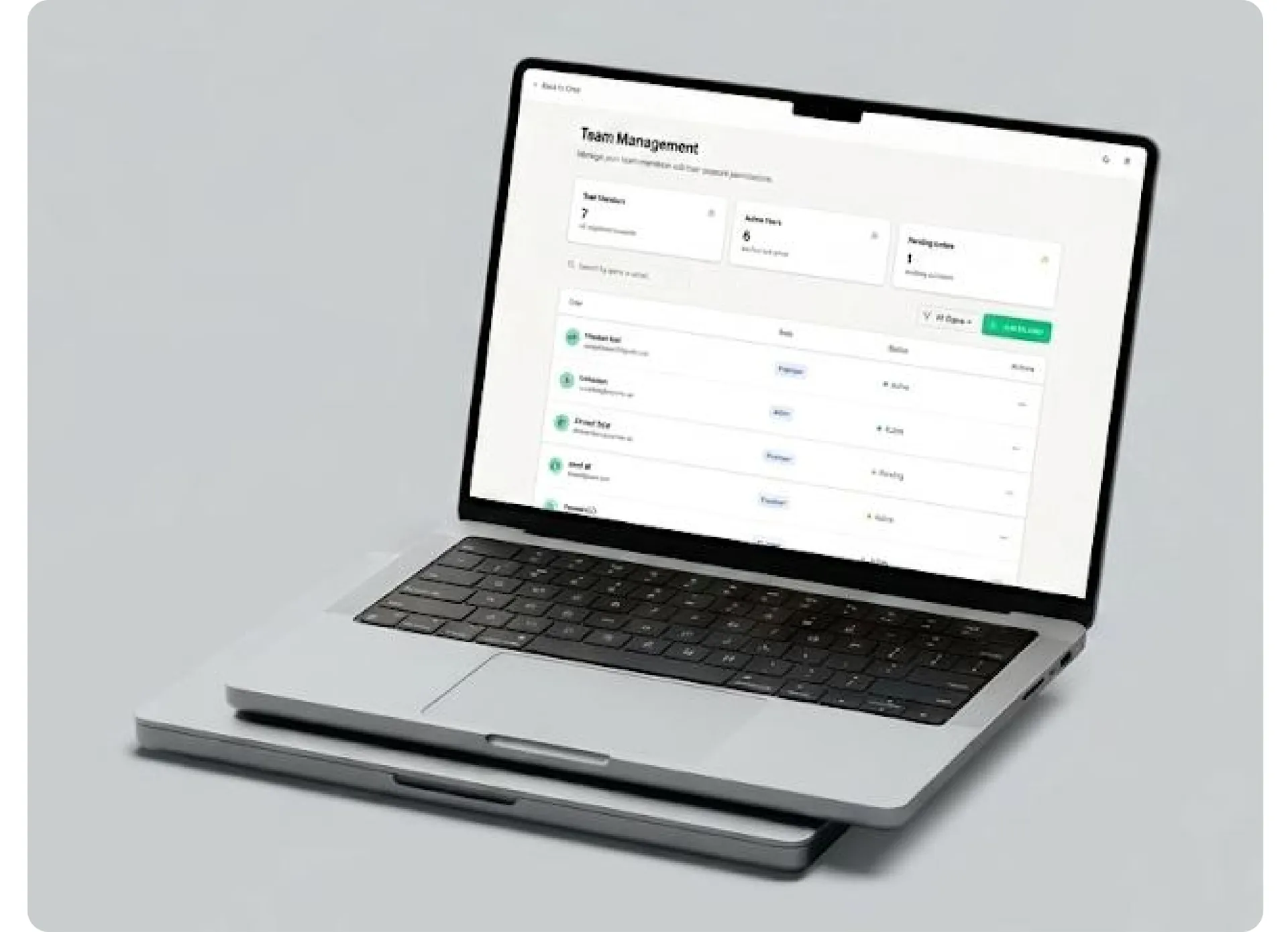
Log in with admin access · Upload and manage templates and reference documents · Organize knowledge by agent and category · Manage team members and permissions · Configure tone, exclusions, and formatting standards
02Recruiter Workflow
Log into the platform · Start or continue a chat · Select the required AI agent · Provide job details, notes, or transcripts · Review and refine outputs · Export final documents to Google Docs or Sheets
03AI Processing Flow
User submits a request · Central coordinator classifies intent · Request is routed to the appropriate agent · Relevant knowledge is retrieved from the vector database · Output is generated using validated formatting rules · Final content is delivered in a client-ready format
More work.
All projects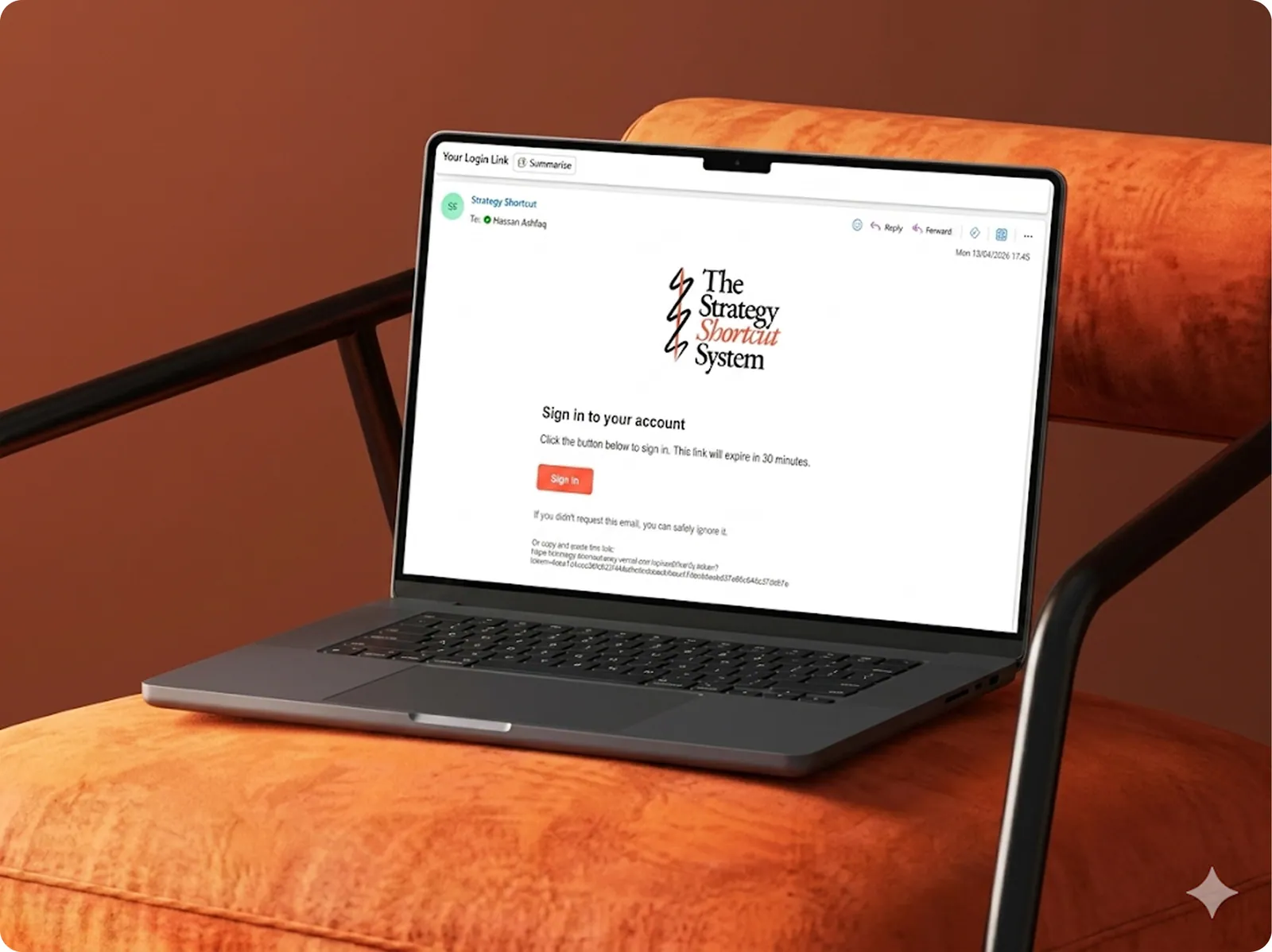
Strategy Shortcut System Chatbot
Built a multi-agent AI SaaS platform helping businesses create strategies, execution plans, and marketing workflows through guided chatbot interactions.
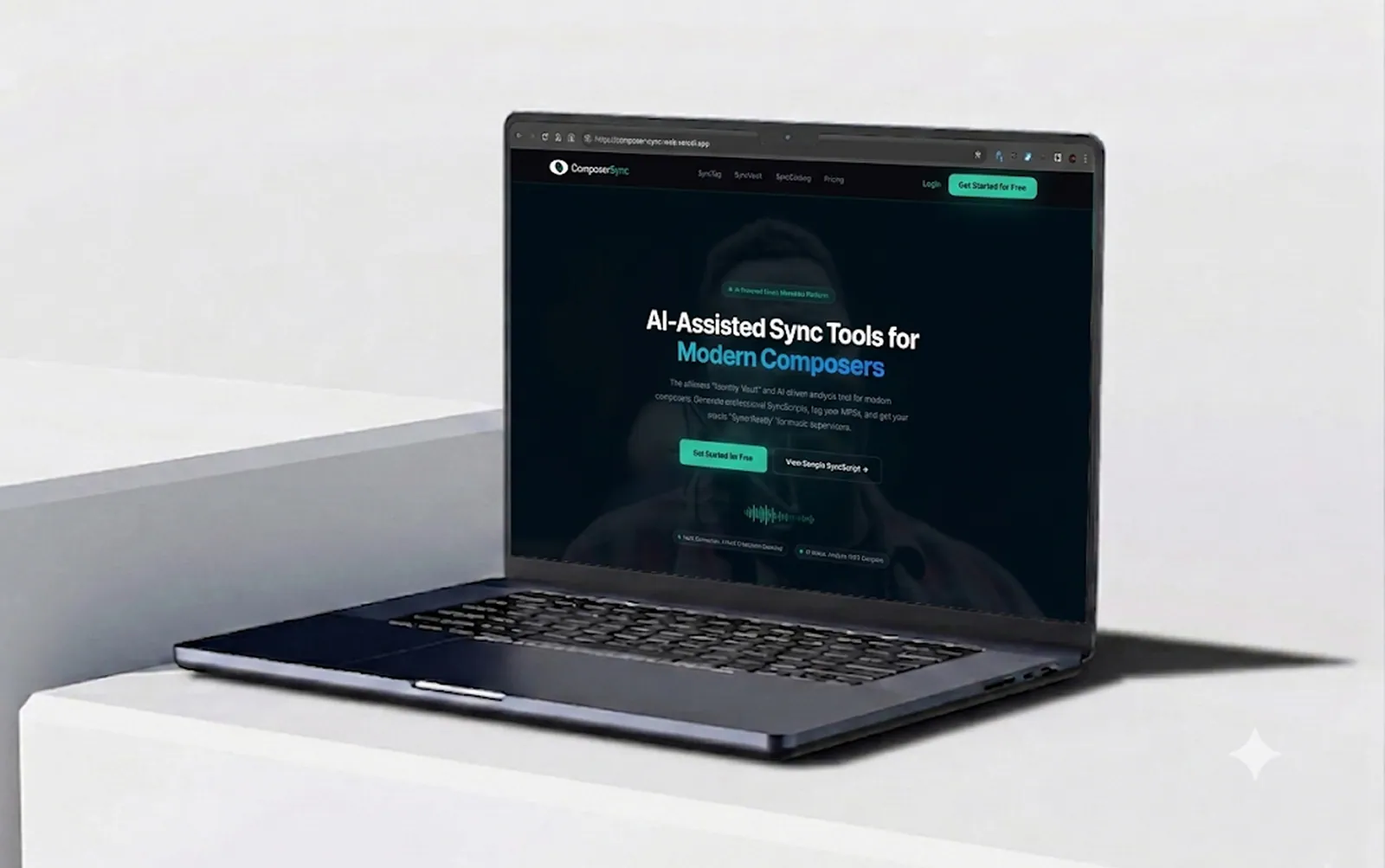
Composer Sync
Built an AI-powered platform that analyzes audio assets, extracts metadata, and generates professional reports through secure cloud-based workflows and automation.
Building something like EBAS - GPT?