
Case study · Warehousing and wearable scanning hardware
Rufus Labs.
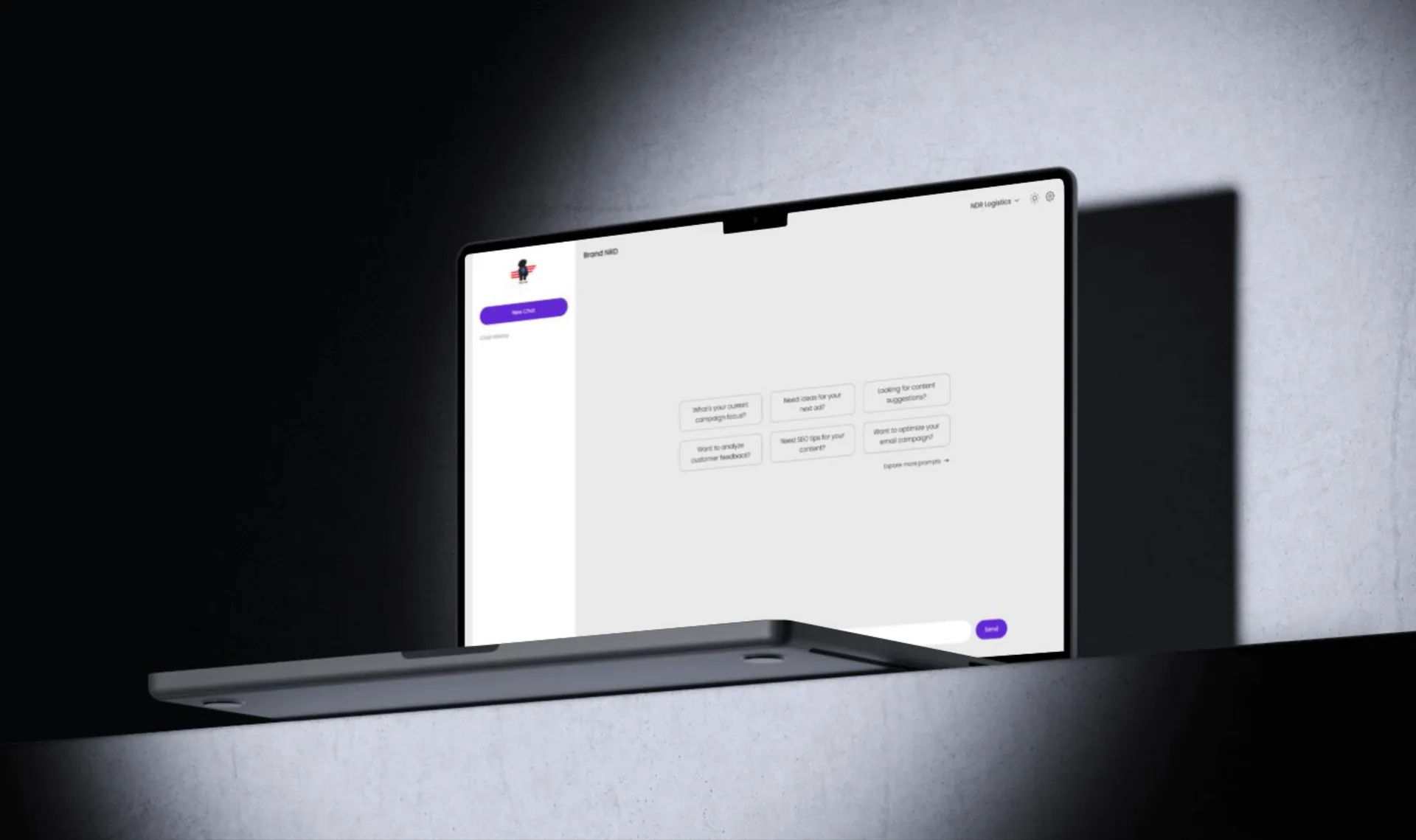
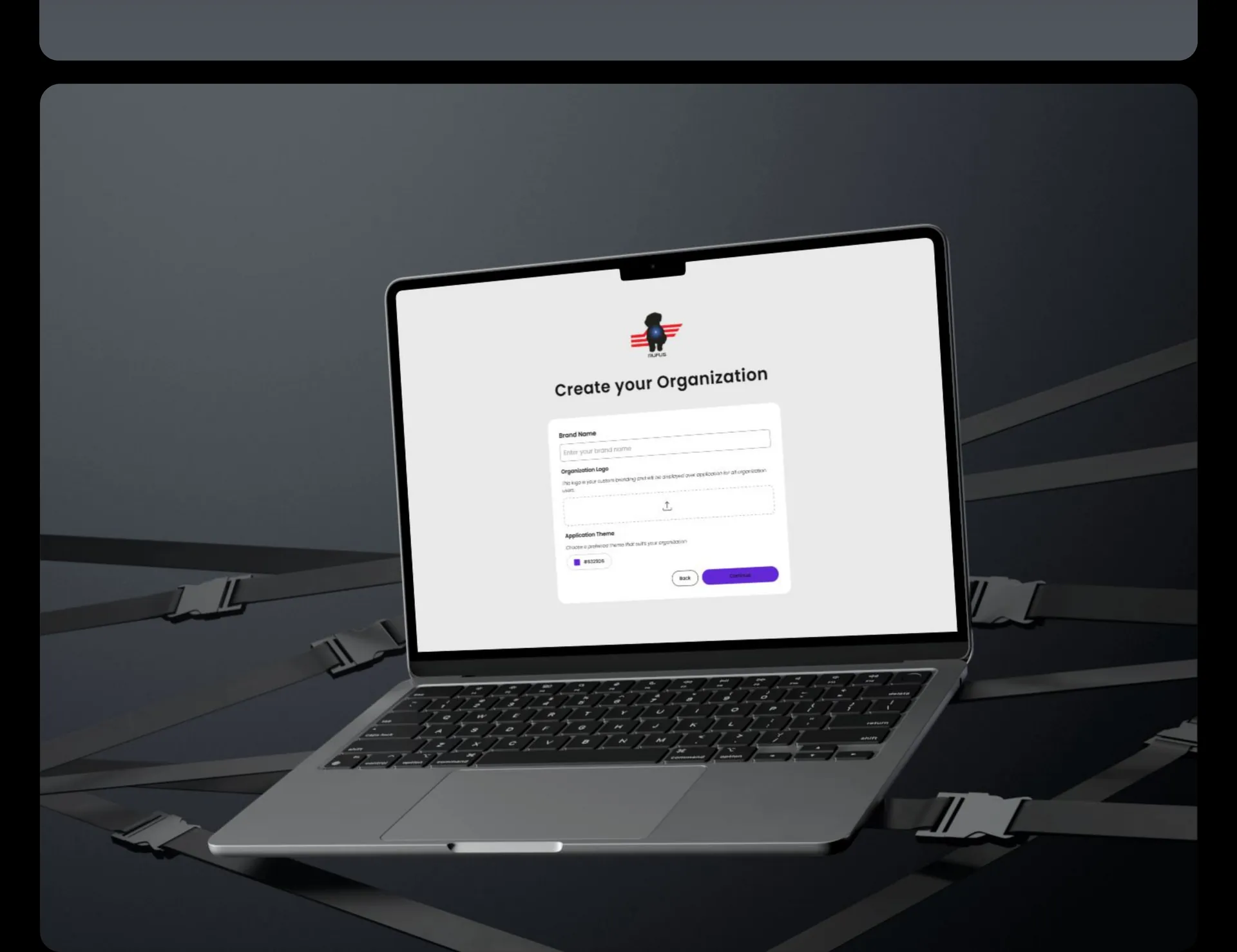
We built an AI-powered warehouse management system that connected wearable scanner data with a smart AI chatbot.
- What we built
- AI warehouse management system and chatbot
- Stack
- Next.js, Tailwind CSS, Next.js (with Vercel AI SDK)
- Services
- AI chatbotConversational analyticsData pipelines
About the project
What is Rufus Labs?
The warehousing industry faces constant challenges in tracking worker productivity, optimizing item placement, and ensuring operational efficiency. Our client, a manufacturer of wearable barcode scanner gloves, wanted to use AI automation and conversational analytics to transform their warehouse operations. We built an AI-powered warehouse management system that connected wearable scanner data with a smart AI chatbot, enabling managers to track workforce performance, visualize warehouse metrics, and make data-driven decisions in real time.
The problem
What was slowing them down.
- 01
Data Overload
Managers had raw data but no intelligent insights.
- 02
Worker Tracking
No centralized way to compare worker efficiency or session history.
- 03
Inefficient Workflows
Difficulty in identifying which products took more time and effort to pick and move.
- 04
Warehouse Optimization
The payout and placement of products in the warehouse were not optimized based on real performance data.
The solution
What we built.
AI Chatbot & AI Agent
Managers could “chat with their data” to ask questions like “Which worker completed the most sessions today?” or “Which product takes the longest time to move?”
Data Visualization
The chatbot generated charts, graphs, and reports on worker efficiency, product movement times, and overall warehouse productivity.
AI-driven Optimization
The system suggested changes to product placement and payout structures to maximize efficiency.
Real-Time Tracking
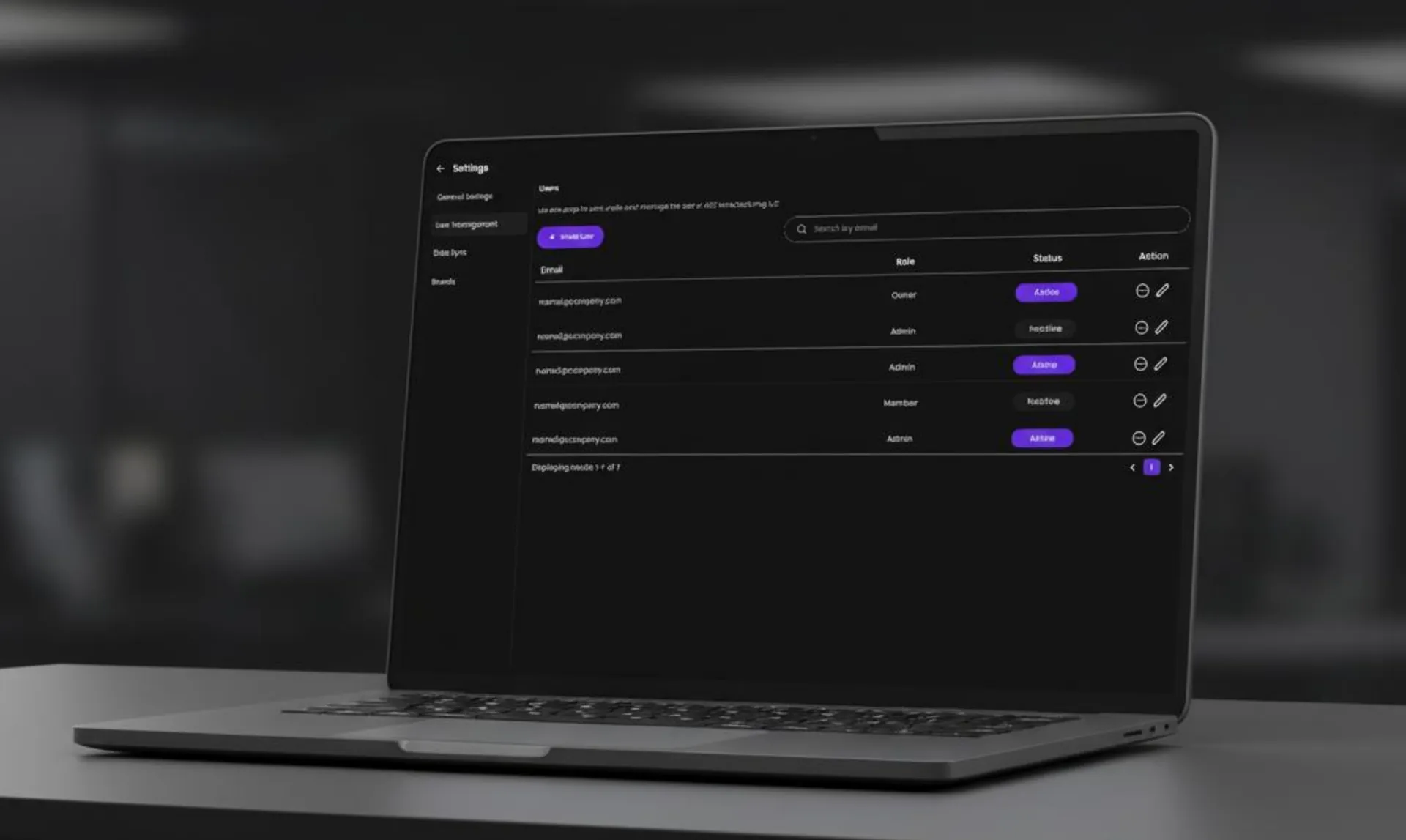
Managers could monitor employees’ progress, hours worked, and completed sessions with simple queries.
Results
What changed.
Warehouse managers
30% Faster Picking Efficiency
Optimized product placement reduced worker travel time.
Improved Workforce Productivity
Managers tracked and rewarded top-performing employees accurately.
Time Savings
AI chatbot replaced manual report generation with instant answers.
Data-Driven Decisions
Real-time analytics enabled smarter warehouse layout and payout planning.
Scalable Foundation
The AI automation system can easily be extended for future warehouse AI use cases.
Key challenges
The hard parts, and how we solved them.
Managers needed instant insights, not static reports.
Built a conversational AI agent to answer questions in real time.
Large volumes of unstructured scanner data.
Implemented AI-driven preprocessing to convert raw activity logs into structured metrics.
Integration with existing CRM.
Designed APIs and pipelines to ensure data flow between wearable devices, CRM, and AI chatbot.
Visualization of complex warehouse data.
Integrated dynamic chart/graph generation directly within the chatbot interface.
Tech stack
What it runs on.
- Frontend
- Next.jsTailwind CSS
- Backend
- Next.js (with Vercel AI SDK)
- AI
- OpenAI (with E2B for code interpretation)
- Observability & Tracing
- Langfuse
- Database
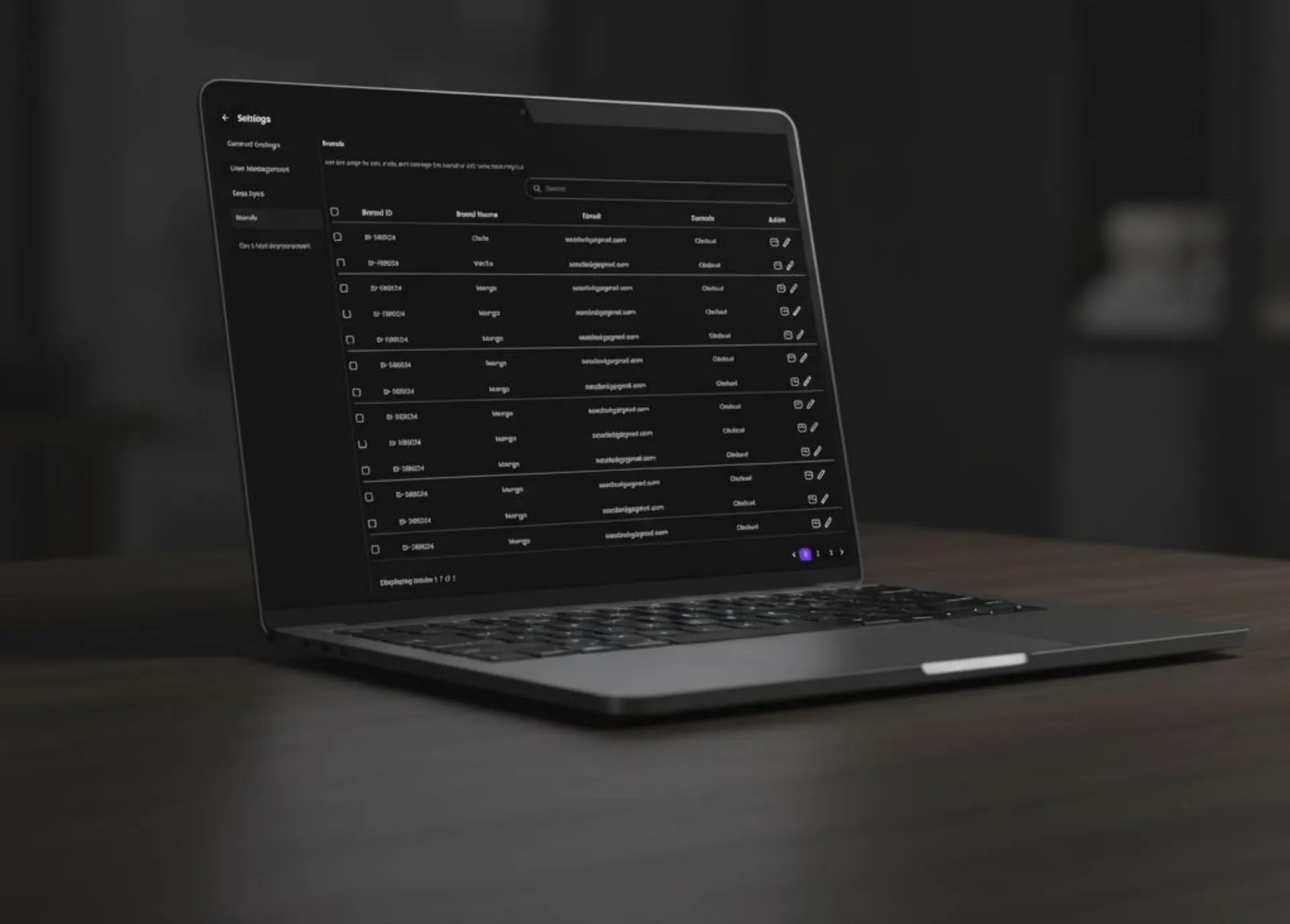
- MongoDB (user details)Tinybird (core/large-scale data)Client API (data fetching and pipelines)
- Session Management & Analytics
- PostHog
Process
How we got there.
01Data Capture
Wearable barcode scanner glove collected worker activity (steps, items picked, sessions)
02Data Storage
All movement data was stored in the client’s CRM
03AI Processing
Our AI software processed raw data, identified trends, and built insights
04Conversational Analytics
Managers interacted with an AI chatbot to query performance, generate charts, and visualize metrics
05Optimization Suggestions
AI recommended changes in warehouse product placement to improve efficiency
More work.
All projects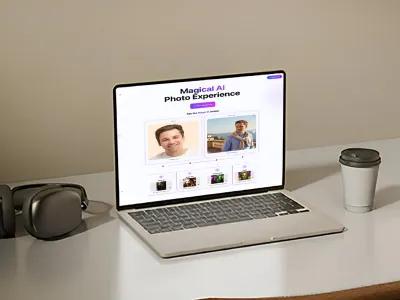
Gathrly
AI-powered photo booth SaaS that generates instant stylized photos and videos for events, with automated delivery, payments, and venue revenue sharing.
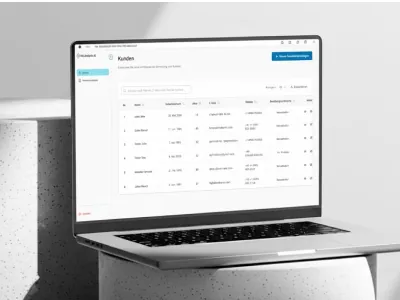
Iris
AI-powered medical reporting system for ophthalmologists that generates detailed, personalized diagnostic reports from patient data and images in minutes.
Building something like Rufus Labs?