
Case study · Medical education (EdTech)
Learning Surgical.
An advanced EdTech healthcare platform that blends virtual reality (VR) training with AI-powered support.
- What we built
- AI chatbot, voice assistant and admin panel
- Stack
- Next.js 15 (App Router), React 19, TypeScript, Tailwind CSS
- Services
- AI chatbotVoice assistantAdmin panelWeb app
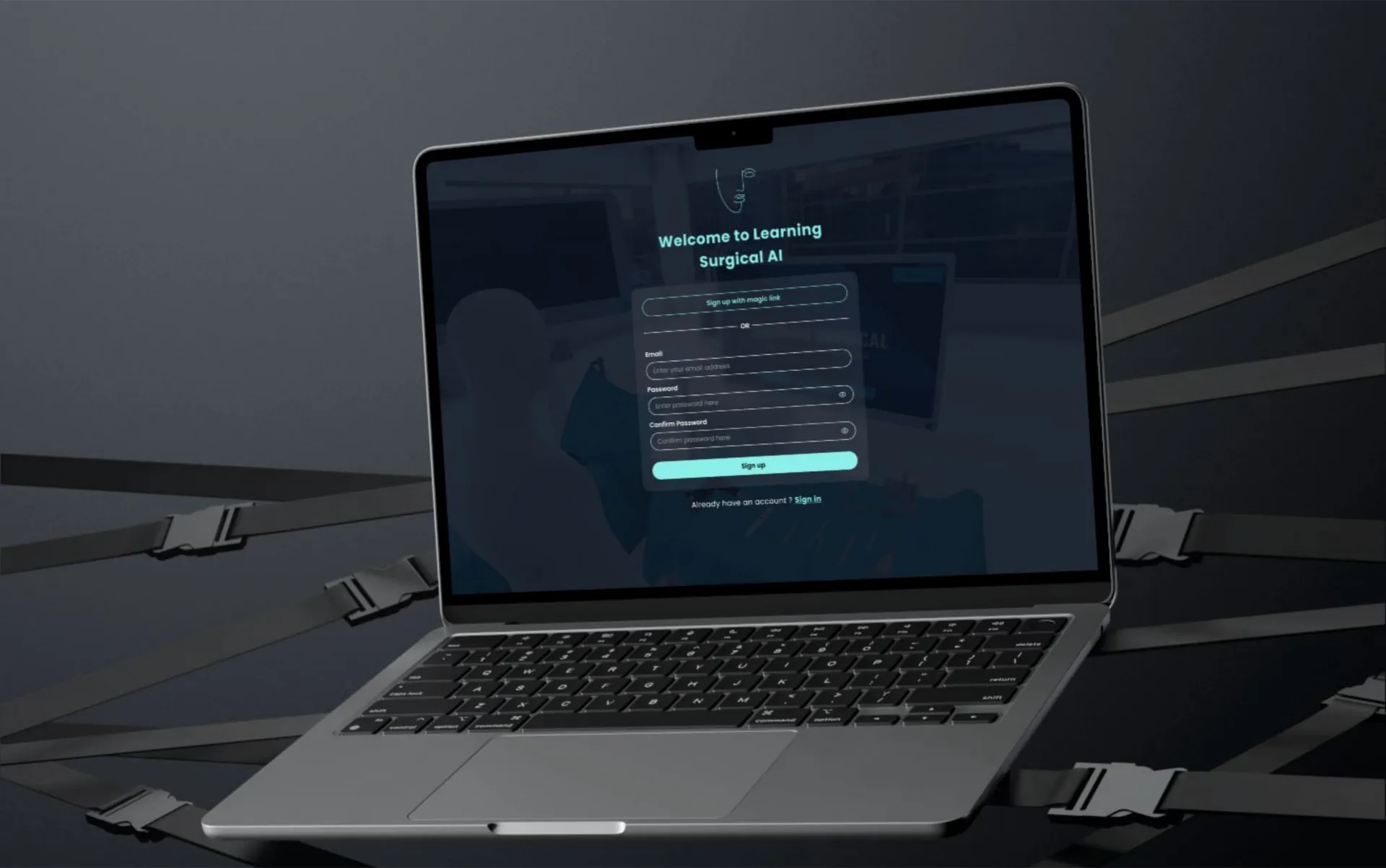
About the project
What is Learning Surgical?
This is an advanced EdTech healthcare platform that blends virtual reality (VR) surgical training with AI-powered learning support. The client already had a VR-based platform for delivering surgical courses using their exclusive library of medical books. However, students needed a way to instantly access knowledge, hands-free, during practice. We enhanced the platform with an AI chatbot and voice assistant that pulls precise, citation-backed answers from the client's books. Alongside this, we developed a comprehensive admin panel for user and book management, and implemented passwordless magic link authentication for seamless login.
The result
A next-gen AI + VR learning experience that allows medical students to practice surgeries in VR while getting real-time, voice-based guidance from an AI trained on exclusive medical knowledge.
Key Features
AI-powered surgical learning chatbot, PDF book management system, real-time streaming chat, mobile-responsive design, and admin-only book upload/management.
The problem
What was slowing them down.
- 01
Knowledge Retrieval
Students couldn't efficiently search through thousands of pages of surgical books during practice.
- 02
Accuracy & Trust
Training required reliable, citation-backed answers from authoritative content.
- 03
Learning Flow
Typing or leaving VR simulations to search disrupted the immersive learning experience.
- 04
Administration
The client lacked proper tools for managing books and users.
- 05
Onboarding
Traditional login systems created friction for users accessing the platform.
The solution
What we built.
For students
We developed an AI-powered medical assistant platform tightly integrated with the client's VR training system.
- AI Chatbot with Citations: students ask questions and receive accurate answers instantly, with direct references from the original medical books.
- Voice-to-Text + AI Voice Assistant: hands-free interaction that lets students speak directly to the AI during VR surgeries, receiving natural voice responses.
- Vector Database Integration: indexed thousands of book pages for semantic search and low-latency retrieval.
For admins
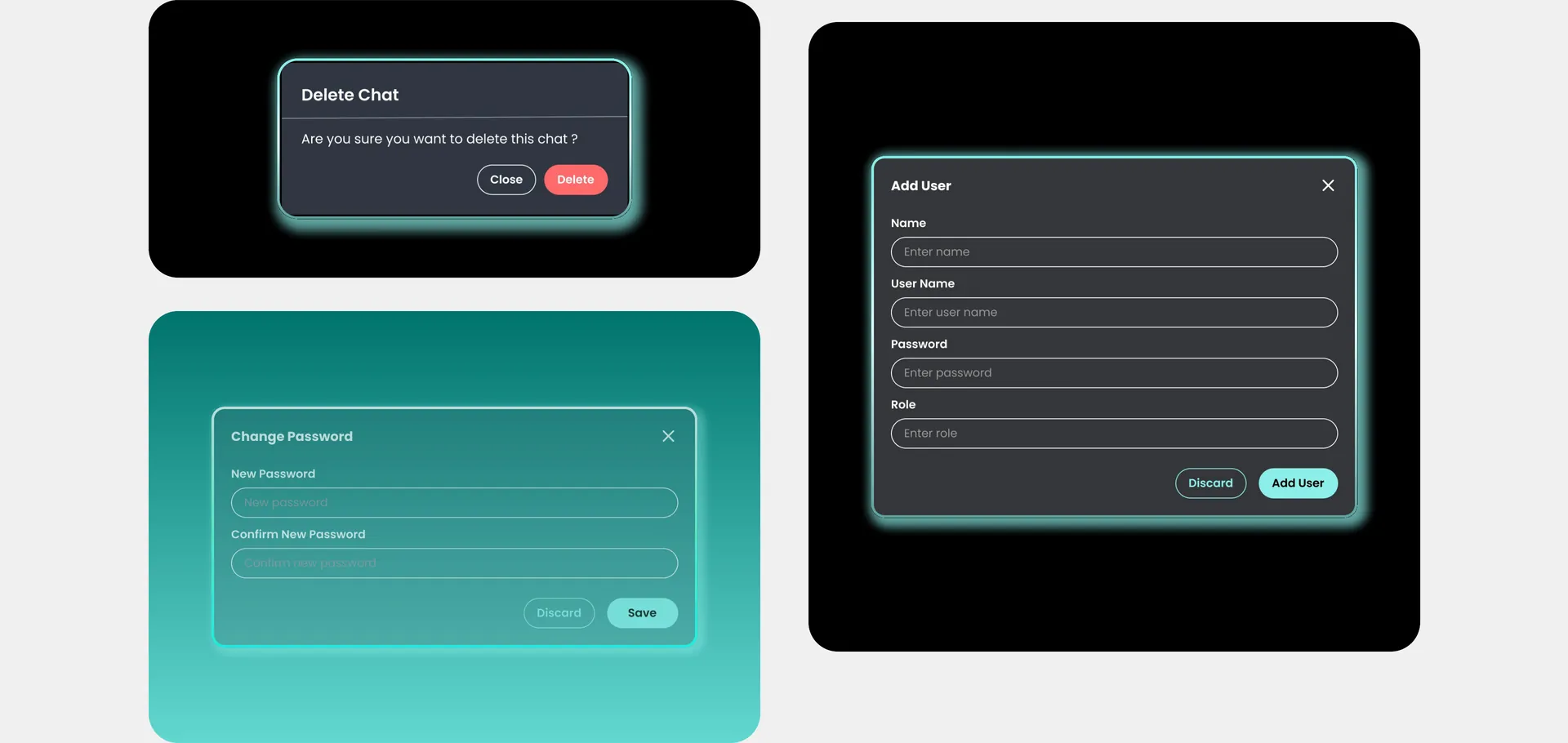
We developed a comprehensive admin panel for user and book management.
- Books Management: admins upload or delete medical books, automatically updating the AI's knowledge base.
- User Management: admins add/remove students and manage user access.
- Magic Link Authentication: users log in securely without passwords, reducing friction while maintaining security.
Results
What changed.
Students
Instant Access to Knowledge
Students could query thousands of pages in seconds without breaking immersion.
Trustworthy Responses
Citation-backed answers ensured reliability for medical training.
Enhanced Learning Flow
Voice-first interaction enabled hands-free guidance during VR surgeries.
Client and admins
Efficient Administration
Admins gained tools to manage books and users effortlessly.
Improved Security & UX
Magic link login simplified onboarding and reduced password fatigue.
Market Differentiation
Positioned the client's platform as a pioneering AI + VR medical education system.
Key challenges
The hard parts, and how we solved them.
Massive book data (thousands of pages)
Indexed data into a vector DB for fast, semantic retrieval.
Accuracy in high-stakes medical context
Enforced citation-based responses for transparency and trust.
VR immersion breaks due to typing/searching
Developed a voice-first AI assistant to enable hands-free interaction.
Admin control over users and content
Built an admin panel for user + book management.
Friction in user login
Implemented magic link authentication for a passwordless, secure onboarding experience.
Tech stack
What it runs on.
- Frontend
- Next.js 15 (App Router)React 19TypeScriptTailwind CSS
- Backend & Database
- MongoDB (Mongoose ODM)Redis/Upstash (caching and vector storage)Next.js API Routes
- AI & Services
- OpenAI API (AI chat)Deepgram SDK (speech-to-text)Vector embeddings
- Authentication & Security
- NextAuth.jsEmail-based auth (custom email server)Role-based access control
- Infrastructure
- VercelVercel Blob (PDF storage)pdf-parse (PDF parsing)
Process
How we got there.
01Requirement Gathering
Collaborated with client to map VR workflows, content, and AI integration needs.
02Knowledge Ingestion
Processed and embedded thousands of medical book pages into a vector database.
03AI Chatbot Development
Implemented real-time chat with citation-backed answers.
04Voice Assistant Integration
Added speech-to-text and text-to-speech for natural, hands-free interaction.
05Admin Panel
Built user and book management system.
06Authentication
Integrated passwordless login via magic links and role-based access control.
07Testing & Optimization
Optimized for performance, accuracy, and seamless VR use.
08Deployment
Delivered on Vercel for scalability and reliability.
Design
Typography and colour.
Typeface
Poppins
Regular, Medium and Bold weights.
Colour palette
Teal
#5AD2CB
Black
#000000
White
#FFFFFF
More work.
All projects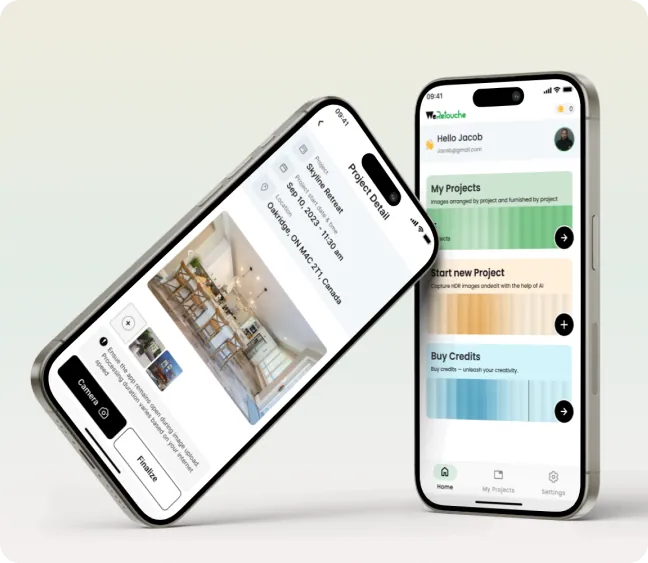
Weretouche App
A real estate photo editing app that lets agents and property owners quickly enhance property images with professional-quality lighting, color, and contrast adjustments—making every listing stand out.
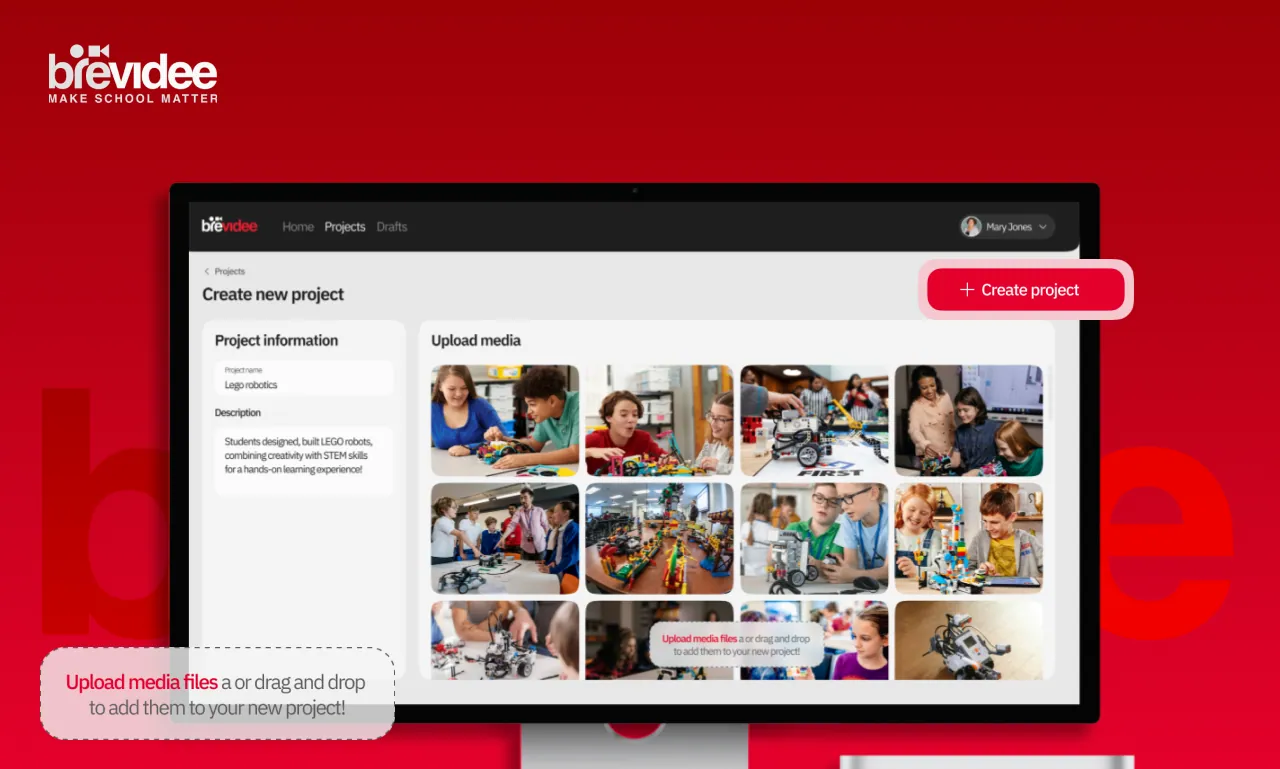
Brevidee
Brevidee streamlines school video creation—teachers record, leaders approve with AI support, and editors publish polished, ready-to-use content.heading
Building something like Learning Surgical?