
Case study · Data privacy and security
SENTRY.
A high-converting landing page with a live interactive demo for a Chrome Extension focused on preventing accidental sensitive data sharing.
- What we built
- Marketing landing page with live interactive demo
- Stack
- Next.js, MongoDB
- Services
- Landing pageInteractive demoWaitlist and email capture
About the project
What is SENTRY?
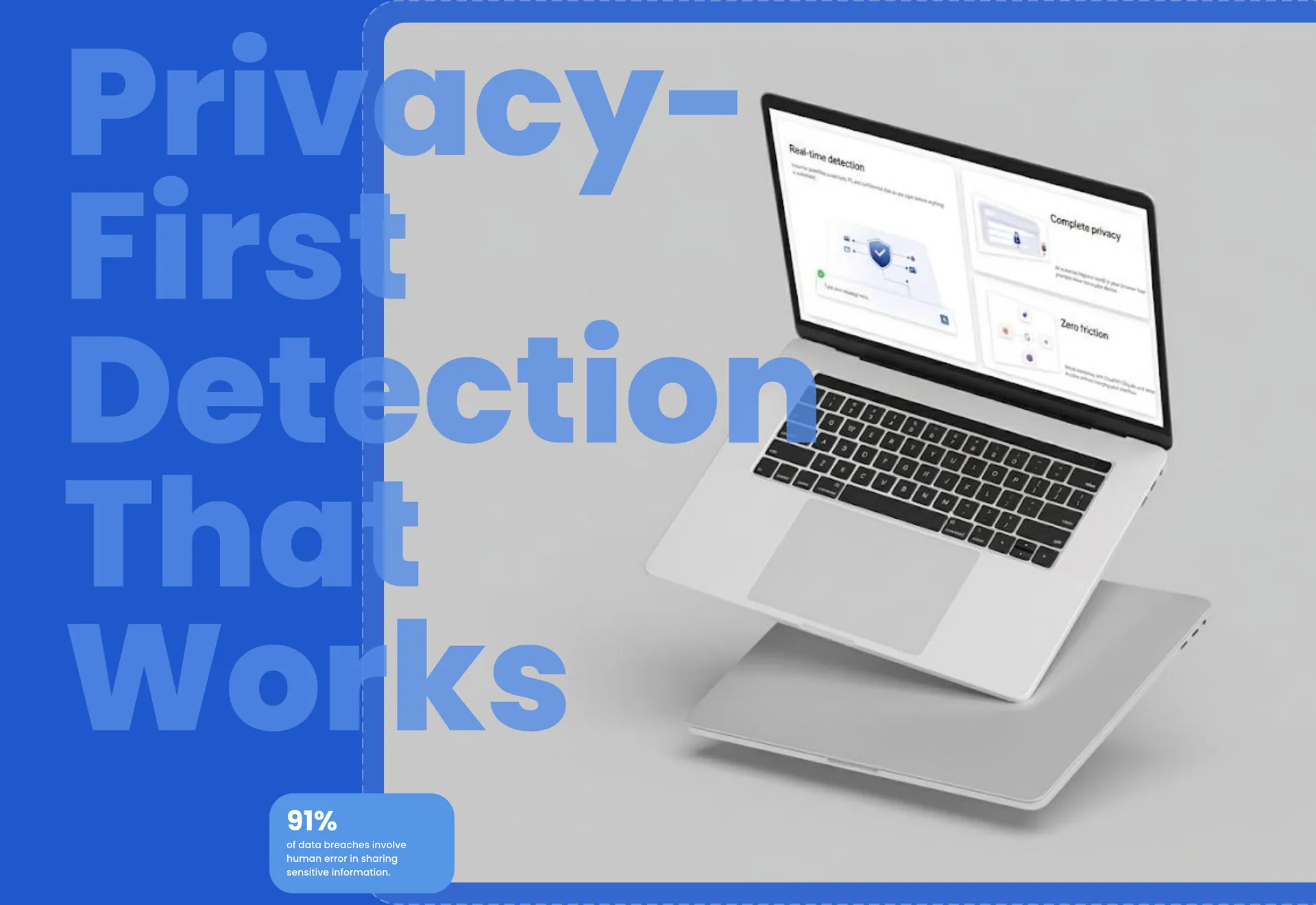
This project involved designing and developing a single-page marketing website for a Chrome Extension that detects and prevents accidental sharing of sensitive data in AI tools. Since the extension was still in development, the landing page needed to communicate the value proposition clearly, demonstrate core functionality through a live interactive demo, capture early access email signups, and build trust around privacy and security. Unlike a standard marketing site, this page required building a real-time detection engine directly in the browser to simulate how the extension works before installation.
Project scope
The aim of this project was to build a high-converting landing page with an embedded real-time detection demo for a Chrome Extension. The project included building client-side pattern matching, interactive demo engine, email capture, waitlist system, and conversion-driven design. Both the technical architecture and user experience were crafted to validate demand before full product launch.
Protecting sensitive data through real-time detection
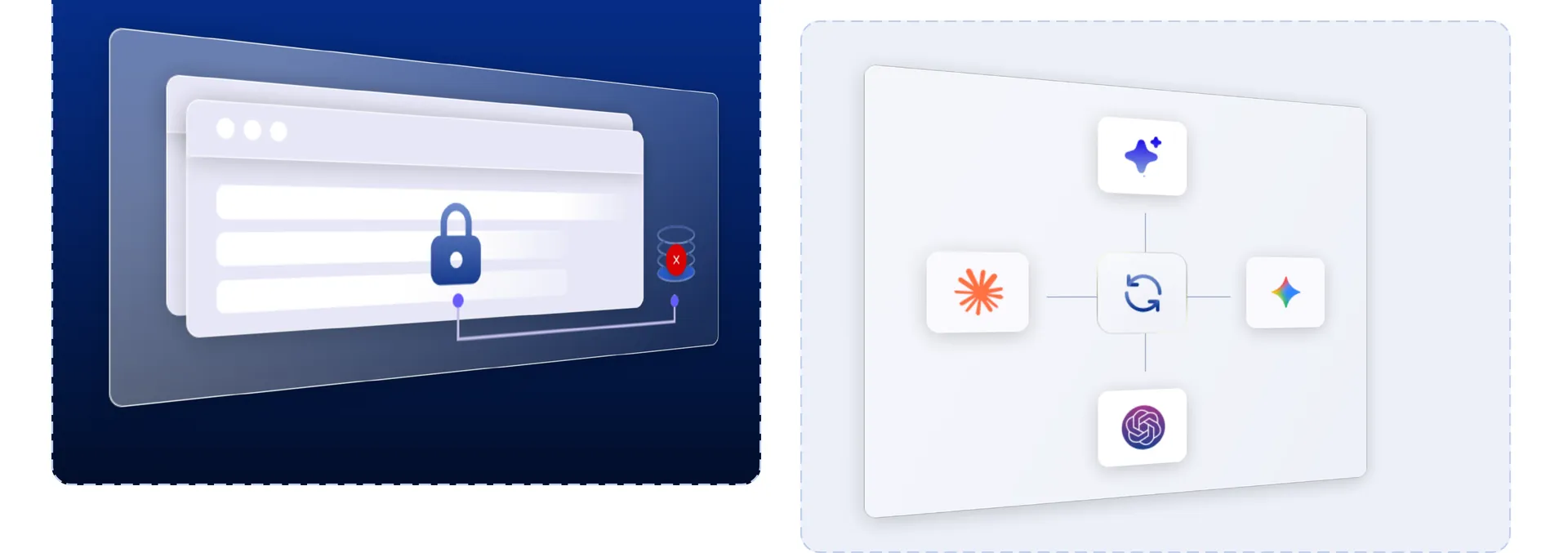
Built to prevent accidental sharing of API keys, credentials, and personal data in AI tools. The real-time detection engine scans locally in the browser, ensuring sensitive information never leaves the device. Privacy-first, enterprise-grade, zero friction.
The problem
What was slowing them down.
- 01
No installable product yet
No installable product yet, but users needed to experience its core functionality before launch.
- 02
High trust barrier
High trust barrier due to handling sensitive data like API keys, PII, and credentials.
- 03
Real-time demo without server-side processing
Need for real-time demo without server-side processing to reinforce privacy messaging.
- 04
Capture and display early interest
Requirement to capture and display early interest (waitlist counter).
- 05
Must feel enterprise-grade
Must feel enterprise-grade, minimal, and security-focused while capturing early interest via waitlist.
The solution
What we built.
Phase 1: Interactive Demo Engine
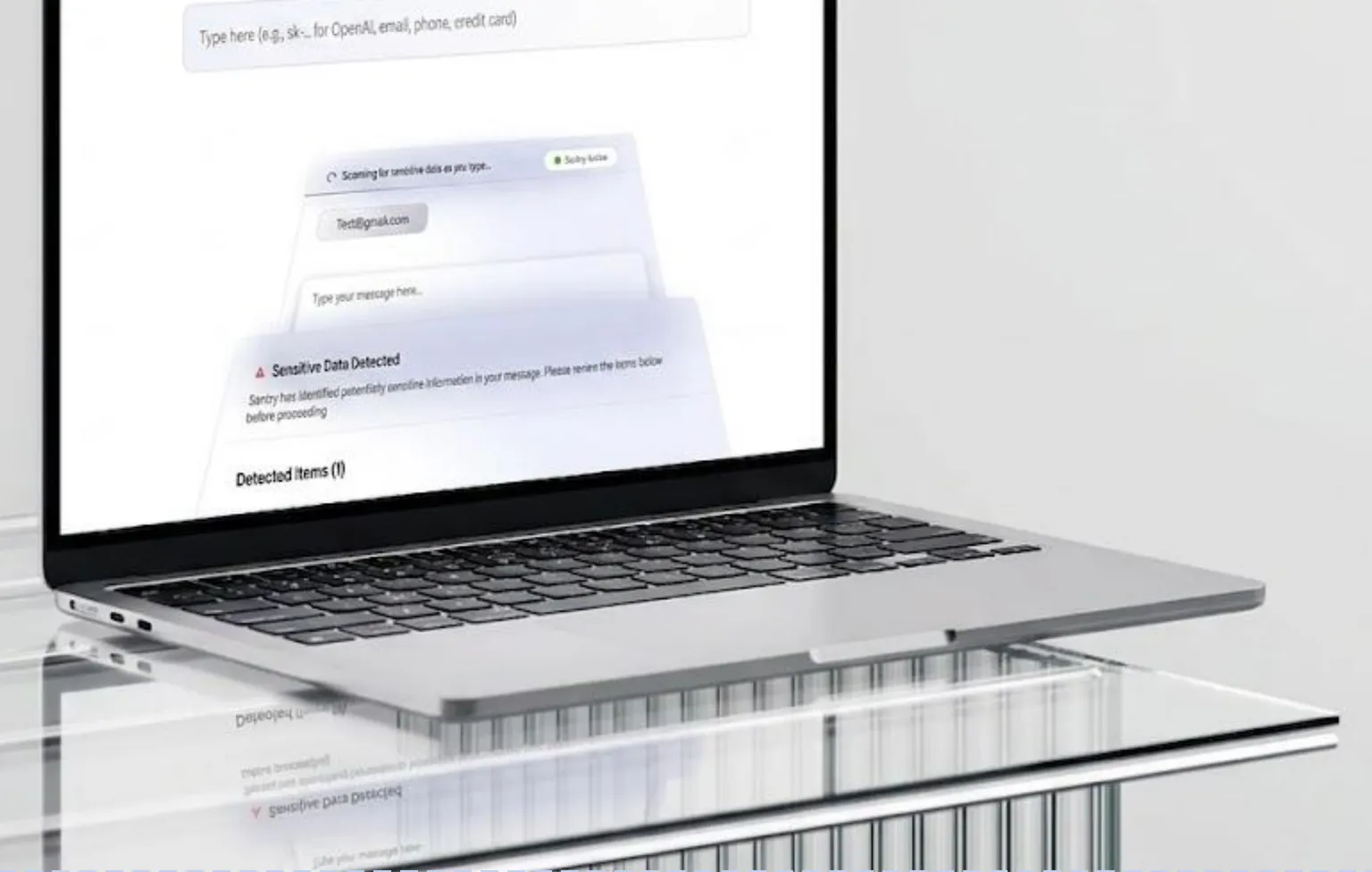
A static landing page would not be enough. The experience had to prove the product's value instantly. We built a responsive, trust-first landing page with an embedded real-time detection demo that replicates the Chrome Extension's core behavior. All scanning occurs locally in the browser to reinforce privacy messaging.
- Email addresses and credit cards: detects emails and validates credit cards using the Luhn algorithm in real time.
- API keys and tokens: identifies OpenAI, AWS, GitHub API keys, Bearer tokens, and database connection strings.
- PII detection: catches phone numbers, Social Security numbers, and private key headers instantly.
- Inline warnings: a warning appears instantly when sensitive data is detected in the text area.
- Modal results: categorized, masked results displayed on submission attempt with cancel/edit/proceed options.
Phase 2: Marketing & Conversion
- Hero section: clear hero with dual CTAs for maximum conversion.
- Feature cards: real-time detection, privacy-first, zero friction highlights.
- Trust metrics: dynamic waitlist counter reinforcing social proof and traction.
- Testimonial block: user testimonials building credibility and trust.
- Pricing preview: transparent pricing section for early visibility.
- Email signup: early access capture with validation and reCAPTCHA.
- Clean design: white layout with blue accents, strong typography, generous whitespace.
Results
What changed.
Results & Impact
Live product validation
Enabled users to test core functionality before product launch through embedded demo.
Increased trust & transparency
Live, transparent detection demo reinforced privacy-first messaging and security credibility.
Early adopter waitlist
Built an engaged early adopter waitlist with dynamic signup counter reinforcing traction.
Enterprise-ready positioning
Positioned the product as privacy-first and enterprise-ready for B2B market entry.
Reusable technical foundation
Created a reusable client-side detection engine that serves as the base for the Chrome Extension.
Key challenges
The hard parts, and how we solved them.
Real-time detection without server processing
Implemented efficient client-side pattern matching and validation to run entirely in the browser.
Avoiding false positives
Added validation layers including Luhn checks and format verification to reduce incorrect flags.
Balancing UX with security messaging
Used subtle inline warnings and non-intrusive modals to maintain a smooth user experience.
Maintaining performance
Optimized detection triggers to ensure instant feedback without any lag or slowdown.
Tech stack
What it runs on.
- Frontend & Backend
- Next.js
- Database
- MongoDB
- Authentication
- reCAPTCHA
- Email & Services
- Nodemailer
Process
How we got there.
01Planning
Data Categories · Visual Direction · CTA Hierarchy
02Development
Regex Engine · Luhn Validation · Email Capture
03Testing
Cross-Browser · Mobile QA · Performance
Design
Typography and colour.
Typeface
Instrument Sans
Instrument Sans was selected for the landing page to achieve a modern, professional aesthetic with strong legibility. Its clean geometric proportions bring clarity to the interface, while its versatile weights and balanced letterforms ensure consistency and readability across all screen sizes.
Colour palette
Primary Blue
#2057CC
Light Blue
#EEF3FD
Muted
#525252
Dark
#101828
More work.
All projects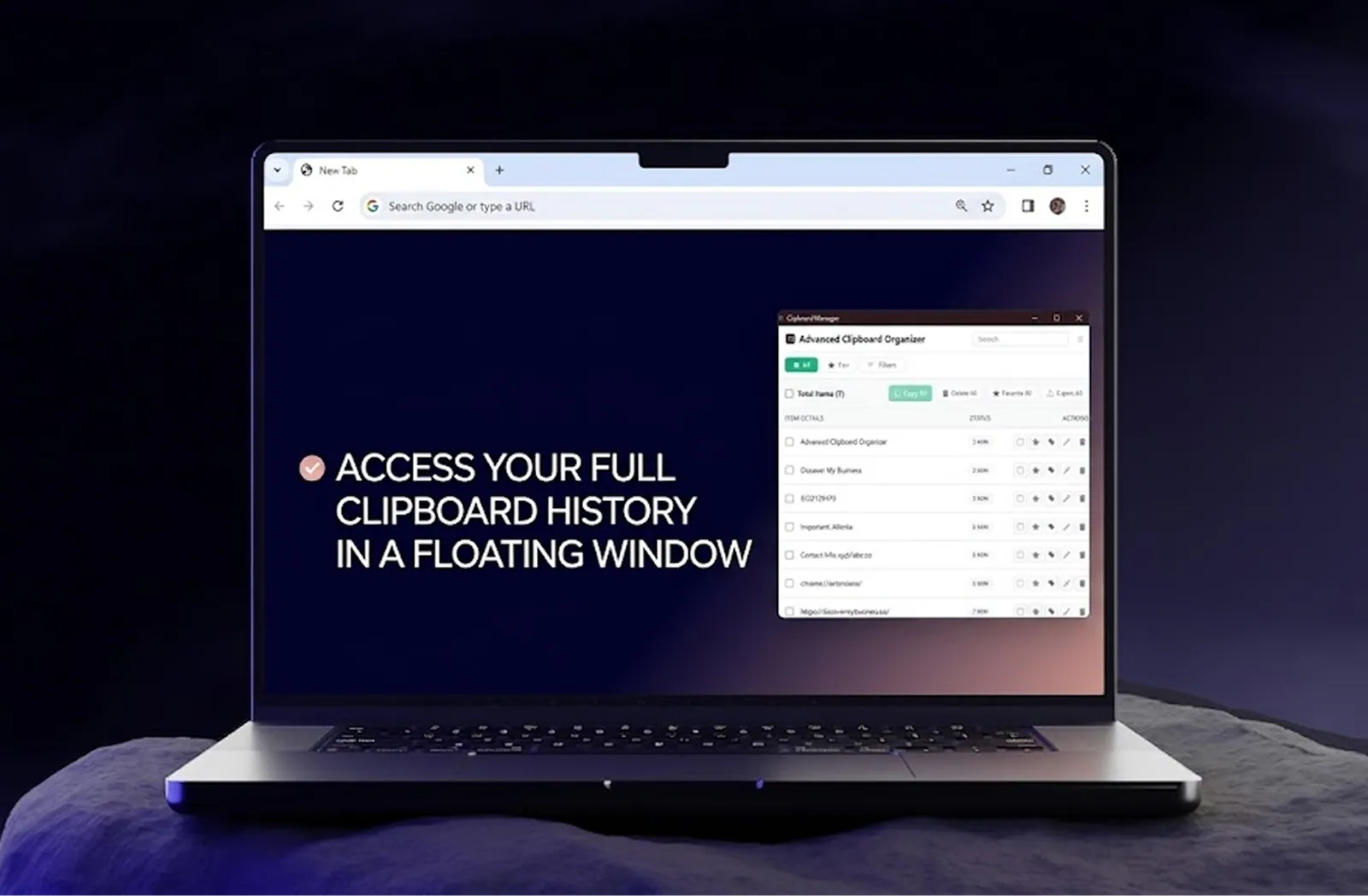
Clipboard Chrome Extension
Cloud-synced clipboard manager Chrome extension with smart capture, search, and secure storage, built with a Free/Pro SaaS subscription model.
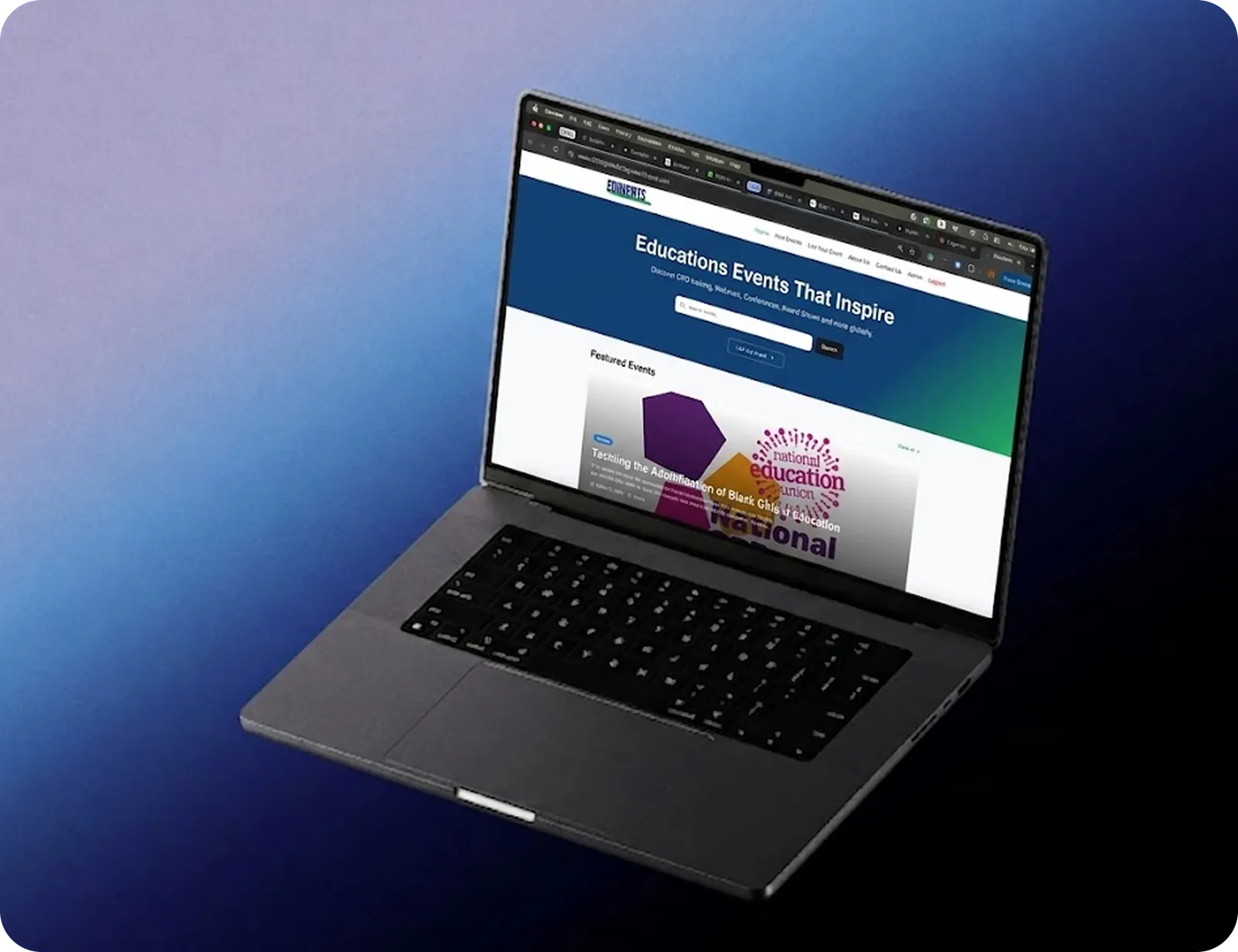
EDUVENTS
Educational events marketplace with paid submissions, admin moderation, and advanced event discovery, built as a scalable, revenue-driven MVP.
Building something like SENTRY?