A Custom GPT for Recruiters: Boolean Strings to Scorecards
How a custom GPT helps recruiters automate the repetitive parts of sourcing and screening — from Boolean strings to candidate scorecards.
 SprintX Team8 min read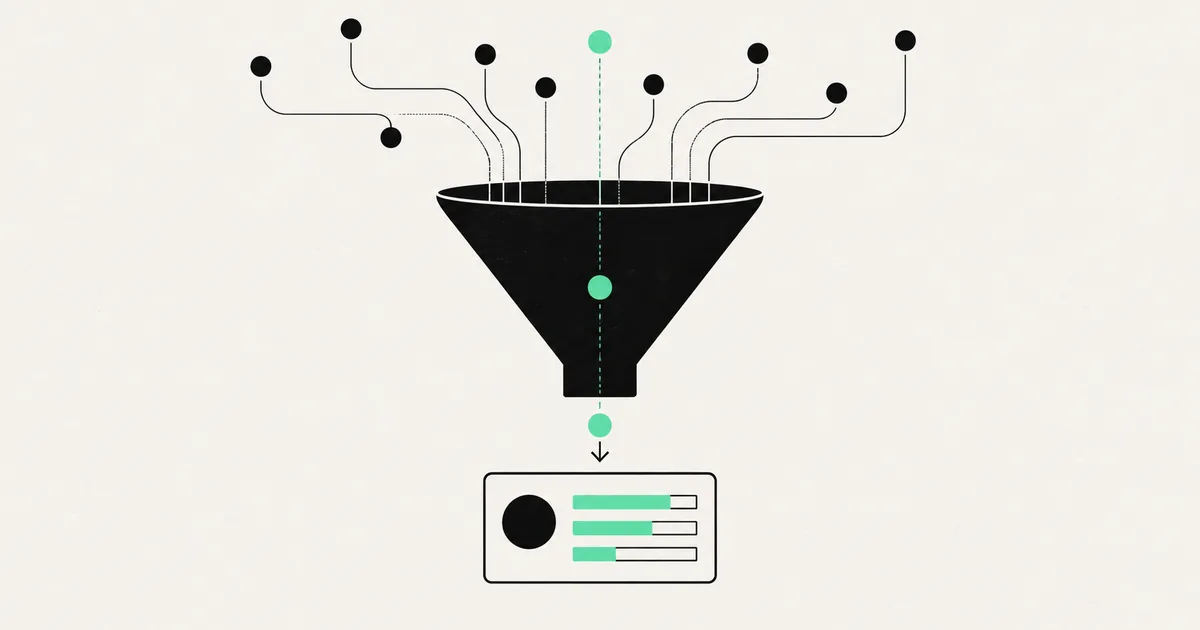
A recruiter's day is a stack of repetitive writing tasks wearing a trench coat. Craft a Boolean string for LinkedIn. Skim forty resumes for five that fit. Write a personalized outreach message that does not read like a template. Summarize a screening call into notes the hiring manager will actually read. Score a candidate against the scorecard. None of it is hard. All of it takes time. And it is the same shape, over and over, for every role you work.
That is exactly the kind of work a custom GPT is built for. Not a magic hire-finder — those promises are noise — but a tireless assistant that does the repetitive writing and structuring in your voice, so you spend your hours talking to people instead of formatting text. Here is what one actually does and how to build it right.
What a custom GPT is (and is not) for recruiting
A custom GPT is ChatGPT configured for one job: given your instructions, your examples, and your reference documents, it behaves like a specialist instead of a generalist. For recruiting, that means a GPT that already knows your intake process, your tone, your scorecard, and your ideal-candidate profiles — so you are not re-explaining context every time.
What it is not: an ATS, a sourcing database, or a decision-maker. It does not replace your judgment on who to hire, and it should not screen people out unattended. It is a writing-and-structuring engine that takes the drudgery off your plate and hands you drafts to review. Kept in that lane, it is one of the highest-leverage tools a recruiter can adopt. If you are new to the concept, our explainer on what a custom GPT is covers the fundamentals.

The recruiting tasks it handles well
A well-configured recruiting GPT covers the repetitive core of sourcing and screening.
| Task | What the GPT does |
|---|---|
| Boolean strings | Turns a job description into ready-to-paste search strings |
| Resume screening | Summarizes a resume against your must-haves and flags gaps |
| Outreach messages | Drafts personalized first-touch notes in your voice |
| Interview questions | Generates role-specific questions from the requirements |
| Call summaries | Turns your screening notes into clean, shareable summaries |
| Candidate scorecards | Structures a candidate against your rubric with evidence |
Each of these is something you do dozens of times a week. The GPT does not do them better than your best effort — it does them at your best effort, instantly, every time, so your quality does not sag on candidate number forty the way a tired human's does.
From Boolean string to scorecard: a real workflow
The magic is chaining these into one flow for a role. Here is how it runs in practice:
- Paste the job description — the GPT extracts must-haves, nice-to-haves, and likely titles.
- Generate the Boolean string — you get a clean LinkedIn or job-board search you can paste and tune.
- Screen the inbound resumes — feed each one and get a tight summary against the must-haves, with gaps flagged, so you triage in seconds.
- Draft the outreach — for the ones worth contacting, it writes a personalized note referencing their actual background, in your tone.
- Summarize the screen call — after the call, your rough notes become a clean summary for the hiring manager.
- Build the scorecard — it structures the candidate against your rubric, citing evidence from the resume and call, ready for the debrief.
By the end you have moved a candidate from raw resume to a hiring-manager-ready scorecard, and you spent your time on the conversation, not the paperwork. This is the recruiting version of the broader pattern in AI automation for small business: take a repetitive workflow and let software carry the boring parts.
Keeping it fair and accurate
Recruiting AI comes with real responsibilities, and a good build takes them seriously:
- Keep a human in the loop — the GPT drafts and structures; a recruiter decides. It never auto-rejects a candidate.
- Watch for bias — instruct it to assess against job-relevant criteria only, and review its summaries for skew rather than trusting them blindly.
- Ground it in real inputs — it summarizes what is actually in the resume and your notes; it should not infer things that are not there.
- Protect candidate data — treat resumes and notes as sensitive, and be clear about what goes into the tool.
- Check the output — a screening summary is a starting point for your judgment, not a verdict. Read the resume for anyone borderline.
Handled this way, a recruiting GPT speeds up your process without outsourcing the parts that require a human. You can see how we scope custom GPTs and automations on SprintX — the value is in the configuration, the examples, and the guardrails, not the base model.
What it costs to build
A recruiting GPT ranges from a simple configured assistant to a workflow wired into your tools. Rough 2026 figures:
| Approach | Typical cost | Best for |
|---|---|---|
| Configured custom GPT (instructions + examples) | $1,000 – $4,000 | Solo recruiters, small teams |
| GPT + workflow automation (n8n, ATS wiring) | $4,000 – $15,000 | Teams wanting it inside their stack |
| Model/API usage | $20 – $200+ / month | Scales with volume |
A configured GPT is affordable and fast to stand up. Wiring it into your ATS and automation tools costs more but removes the copy-paste entirely. For the fuller cost picture, our guide on what a custom GPT costs to build breaks down what drives the number.
Frequently asked questions
Will it replace recruiters? No. It removes the repetitive writing and structuring so recruiters spend more time with people. Judgment, relationships, and hiring decisions stay firmly human.
Can it screen candidates automatically? It can summarize and flag against your must-haves, but it should not auto-reject anyone. Keep a recruiter reviewing the borderline cases — that is both fairer and more accurate.
Will it sound like me in outreach? Yes, when it is configured with examples of your writing. It drafts in your voice referencing the candidate's real background, and you edit and send.
How is this different from just using ChatGPT? A custom GPT already knows your process, tone, scorecard, and ideal profiles, so you skip re-explaining context every time. It is ChatGPT specialized into a recruiting assistant.
Your recruiting hours should go to candidates, not copy-paste. SprintX builds custom GPTs and automations for recruiters — Boolean strings, resume summaries, outreach, and scorecards in your voice, wired into your stack if you want it. Fixed-scope quote, and it is yours to keep. Get in touch and we will map your sourcing-to-scorecard workflow.
AI agents and automation
AI agents that do the work.
We build agents and automations for the repetitive work your team does by hand, and measure what they save.
Keep reading.
More on ai agents and automation
AI agents and automation · 18 Jul 2026 · 9 min read
RPA vs AI Agents: Which Should Automate Your Back Office?
A decision guide to robotic process automation vs AI agents: what each is good at, where each breaks, costs, and how to pick the right tool for back-office work.
AI agents and automation · 18 Jul 2026 · 8 min read
Playwright MCP Server: AI Browser Automation That Actually Works
A plain-English guide to the Playwright MCP server: how AI agents control a real browser, why it beats pixel-guessing bots, and where it fits your business.

AI agents and automation · 18 Jul 2026 · 9 min read
The Best MCP Servers for Business in 2026 (Curated + Tested)
A curated shortlist of the most useful MCP servers for real businesses in 2026 — what each connects your AI agent to, where it shines, and what to watch out for.