Best AI SDR Software in 2026: Top Tools vs Building Your Own
A buyer-focused look at AI SDR software in 2026 — the leading categories of tools, honest pricing, and how they stack up against a custom agent.
 SprintX Team9 min read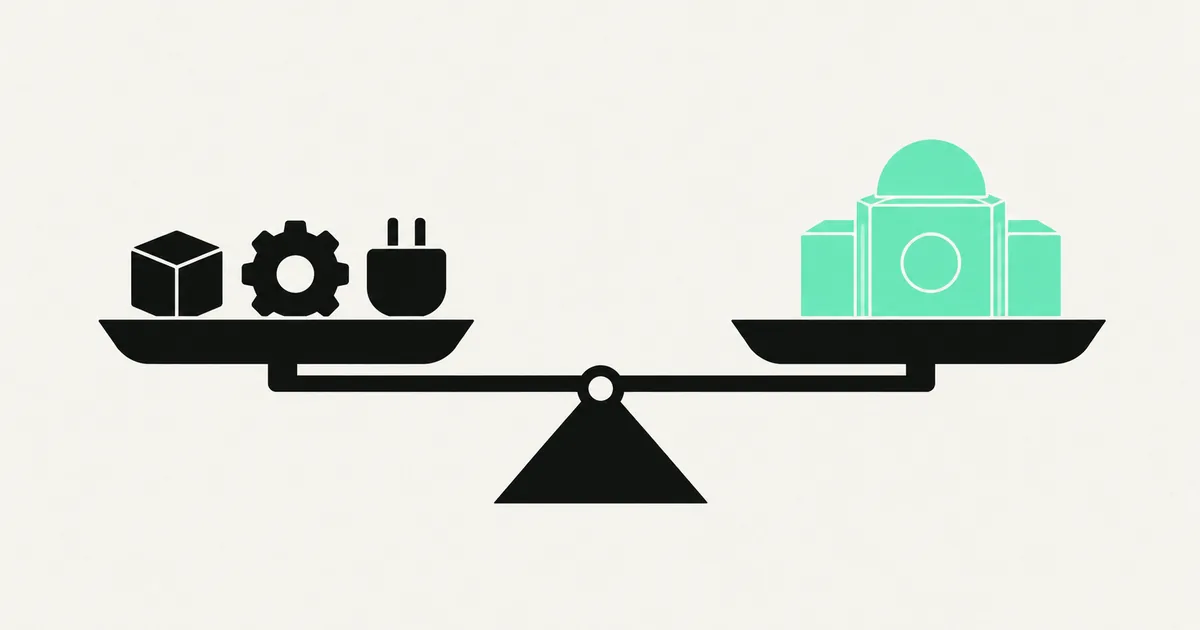
Every sales team lead in 2026 has the same inbox: three vendors a week promising an "AI SDR" that books meetings while you sleep, for a fraction of a human rep. Some of it is real. A lot of it is a thin wrapper over the same email-sending engines you already pay for, priced like magic. The hard part is not finding an AI SDR tool — it is telling which category you actually need, and whether an off-the-shelf product or a custom agent will serve you better.
This is a buyer's guide for the founder or sales leader evaluating AI SDR software. What these tools genuinely do, how the market breaks down, what they cost, where they fall short, and when building your own agent is the smarter money.
What an "AI SDR" actually does
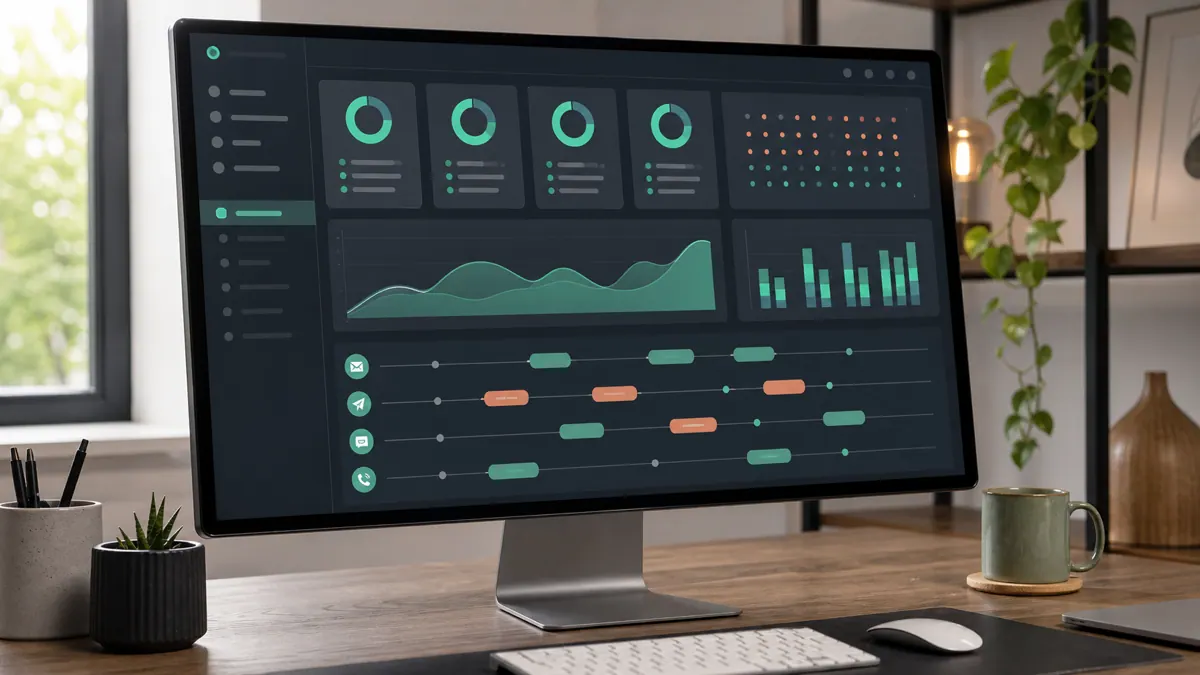
A sales development rep's job is the top of the funnel: find prospects, research them, reach out, handle early replies, and book qualified meetings for closers. An AI SDR automates some slice of that loop. In practice, tools cluster around a few jobs:
- Prospecting & enrichment — building and cleaning target lists, finding contact data, scoring fit.
- Outbound sequencing — writing and sending personalized email (and sometimes LinkedIn) at volume.
- Inbound & reply handling — qualifying inbound leads, answering first questions, routing to a human.
- Meeting booking — pushing qualified prospects into a calendar.
The critical thing to notice: almost no single tool does all of this well. Most "AI SDR" products are strong at one or two jobs and average at the rest. So the first question is not "which tool is best" but "which part of the funnel am I actually trying to automate."
The categories of AI SDR software in 2026
Rather than rank brand names that churn every quarter, it is more useful to know the categories — because vendors move between them constantly.
1. All-in-one AI SDR platforms
Products that promise the full loop: list building, research, personalized outbound, reply handling. They demo beautifully. The trade-off is that you rent their opinion of your entire sales motion, and your data and sequences live inside their walls. Great for teams that want to switch it on fast and have a fairly standard motion.
2. Outbound engines with AI personalization
Established sequencing platforms that bolted on AI to draft and tailor messages. Strong deliverability and reporting, mature integrations. The "AI" is mostly copywriting assistance, not an autonomous rep.
3. AI voice SDRs
Agents that actually call prospects to qualify and book — useful for high-volume, phone-driven motions like real estate or local services. This overlaps heavily with voice-agent tooling; see our guide to AI voice agents for sales for how those are built and priced.
4. Custom AI agents
An agent you own, built on current model families (the Claude, GPT-5, and Gemini 3 families) and wired directly into your CRM, data, and outbound stack — no seat tax, no walled garden. More setup, far more control.
How the market prices it
AI SDR pricing is genuinely hard to compare because vendors bill on different axes — seats, "AI credits," emails sent, meetings booked. Treat the ranges below as rough 2026 patterns, not quotes, and always confirm on the vendor's site.
| Model | How it's billed | Rough pattern (2026) |
|---|---|---|
| All-in-one AI SDR platform | Per "AI rep" / credits, monthly | Often ~$1k – $5k+/mo |
| Outbound engine + AI add-on | Per seat + usage | ~$50 – $150/seat/mo + data |
| AI voice SDR | Per minute + platform fee | Roughly $0.05 – $0.30/min all-in, plus telephony |
| Custom agent (build) | One-time build + your API/infra | Fixed-scope build, then usage |
Two honest cautions. First, "per meeting booked" pricing sounds aligned but can get expensive fast if the bar for "meeting" is low. Second, the underlying model tokens are cheap now — as of mid-2026, budget models run on the order of a dollar per million input tokens — so a lot of the price you pay a SaaS tool is margin and packaging, not compute.
Where off-the-shelf tools fall short
The demo is not the deployment. The recurring disappointments we hear:
- Generic personalization. "Hi {FirstName}, I saw {Company} is growing" is not personalization, and buyers pattern-match it instantly. Real research-grade personalization needs your data and your judgment about what matters.
- Deliverability damage. Point an aggressive AI at cold inboxes and you can burn your sending domain. The good tools respect this; many cheap ones do not.
- Walled data. Your prospect interactions, replies, and learnings live in the vendor's system. Leave, and you leave them behind.
- No real qualification logic. Booking a meeting is easy. Booking a qualified meeting requires business rules the tool often cannot express.
None of this means avoid tools — it means match the tool to a narrow job and keep your standards high.
When building your own agent wins
A custom AI SDR agent is not for everyone, but it is clearly the better call when:
- Your qualification logic is specific — industry rules, ideal-customer nuances, disqualifiers a generic tool cannot encode.
- You want the agent wired into your own CRM, product data, and outbound stack rather than a vendor's silo.
- Seat-based or per-meeting pricing at your volume is heading past the cost of just building the thing.
- You care about owning the data, the prompts, and the workflow with no lock-in.
The build is more work upfront, but the economics flip in your favor at volume, and you keep everything. If you are weighing this trade-off generally, our AI chatbot build vs buy breakdown applies almost directly to SDR agents. And because these agents are really orchestrated workflows, the broader logic in our workflow automation primer is worth a read before you commit.
What this looks like in practice
A pattern we see often: a team on a GoHighLevel-plus-outbound stack wants leads qualified and booked without adding headcount. Instead of a boxed "AI rep," we build an agent that pulls the lead, enriches it, applies the client's real disqualifiers, drafts a genuinely researched first touch, and only pushes a booking when the fit rules pass — writing every interaction back to their own CRM. It runs on their API keys and their infrastructure, so the per-lead cost is compute plus data, not a per-seat tax. Projects like this typically land as fixed-scope phases rather than an open-ended retainer — the way SprintX prices custom SDR agents.
Frequently asked questions
What is the best AI SDR software in 2026? There is no single best — it depends on the job. All-in-one platforms are fastest to switch on for a standard motion; outbound engines with AI are best for deliverability and reporting; voice SDRs suit phone-heavy sales; and a custom agent wins when your qualification logic is specific or your volume makes seat pricing painful.
Can an AI SDR replace human sales reps? Not the closing. AI is strong at the repetitive top-of-funnel work — prospecting, first-touch outreach, qualification, booking — which frees human reps for conversations and closing. The realistic 2026 model is AI-assisted reps, not no reps.
How much does AI SDR software cost? It varies widely by billing model. As of mid-2026, all-in-one platforms often run four figures a month, seat-based engines are tens of dollars per seat plus data, and voice agents bill per minute. A custom agent trades a fixed-scope build cost for much lower ongoing per-lead cost at volume.
Is it better to build or buy an AI SDR? Buy when your motion is standard and you want speed. Build when your qualification is specific, you want your data and workflow in-house, or seat/meeting pricing at your volume exceeds the cost of owning the agent outright.
Thinking about a custom AI SDR instead of another subscription? SprintX builds sales agents wired into your CRM and outbound stack on a fixed-scope, milestone-based quote — you own the code, prompts, and data, with no per-seat lock-in. Send us your motion and disqualifiers and we will scope a working agent before you commit.
AI agents and automation
AI agents that do the work.
We build agents and automations for the repetitive work your team does by hand, and measure what they save.
Keep reading.
More on ai agents and automation
AI agents and automation · 18 Jul 2026 · 8 min read
CRM Automation: Stop Doing Data Entry Your Software Should Handle
Your CRM should be doing the data entry, not your salespeople. Here is what to automate, and how to keep the pipeline clean without the manual grind.

AI agents and automation · 18 Jul 2026 · 9 min read
RPA vs AI Agents: Which Should Automate Your Back Office?
A decision guide to robotic process automation vs AI agents: what each is good at, where each breaks, costs, and how to pick the right tool for back-office work.
AI agents and automation · 18 Jul 2026 · 8 min read
Playwright MCP Server: AI Browser Automation That Actually Works
A plain-English guide to the Playwright MCP server: how AI agents control a real browser, why it beats pixel-guessing bots, and where it fits your business.